





How Do We Ensure Trail Races Are Inclusive for the Next Generation of Runners?
March 9, 2026
Meeting the needs of 20-somethings, run-clubs, and athletes exploring trail running and ultras The Trail Running Boom—and the Question It Raises
March 9, 2026 /ENDURANCE SPORTSWIRE/ – The current explosion in running is being driven by two powerful forces: the rise of social run clubs and the growing appeal of trail running. Young runners in their early 20s—many coming from urban run clubs—are looking beyond roads and toward dirt, vert, and adventure. They are curious about trail races and ultras, but that curiosity comes with an important question:
Are trail running events actually ready for them?
To welcome this new generation, trail races must evolve—without losing the authenticity and soul that define the sport.
1. Representation Matters: Leadership Shapes Culture
For Gen Z runners, representation isn’t a buzzword—it’s foundational.
One of the most impactful ways to modernize an “old school” ultra is to ensure young runners are involved in leadership and decision-making. When a 20-something has real influence—on race staff, in a running store, or even as a race director—the entire event experience shifts.
We’ve already seen this work:
- Trail Sisters, founded by Gina, dramatically expanded opportunities and inclusion for women in ultras.
- Aravaipa Running has shown how thoughtful leadership can transform events into inclusive, community-driven experiences.
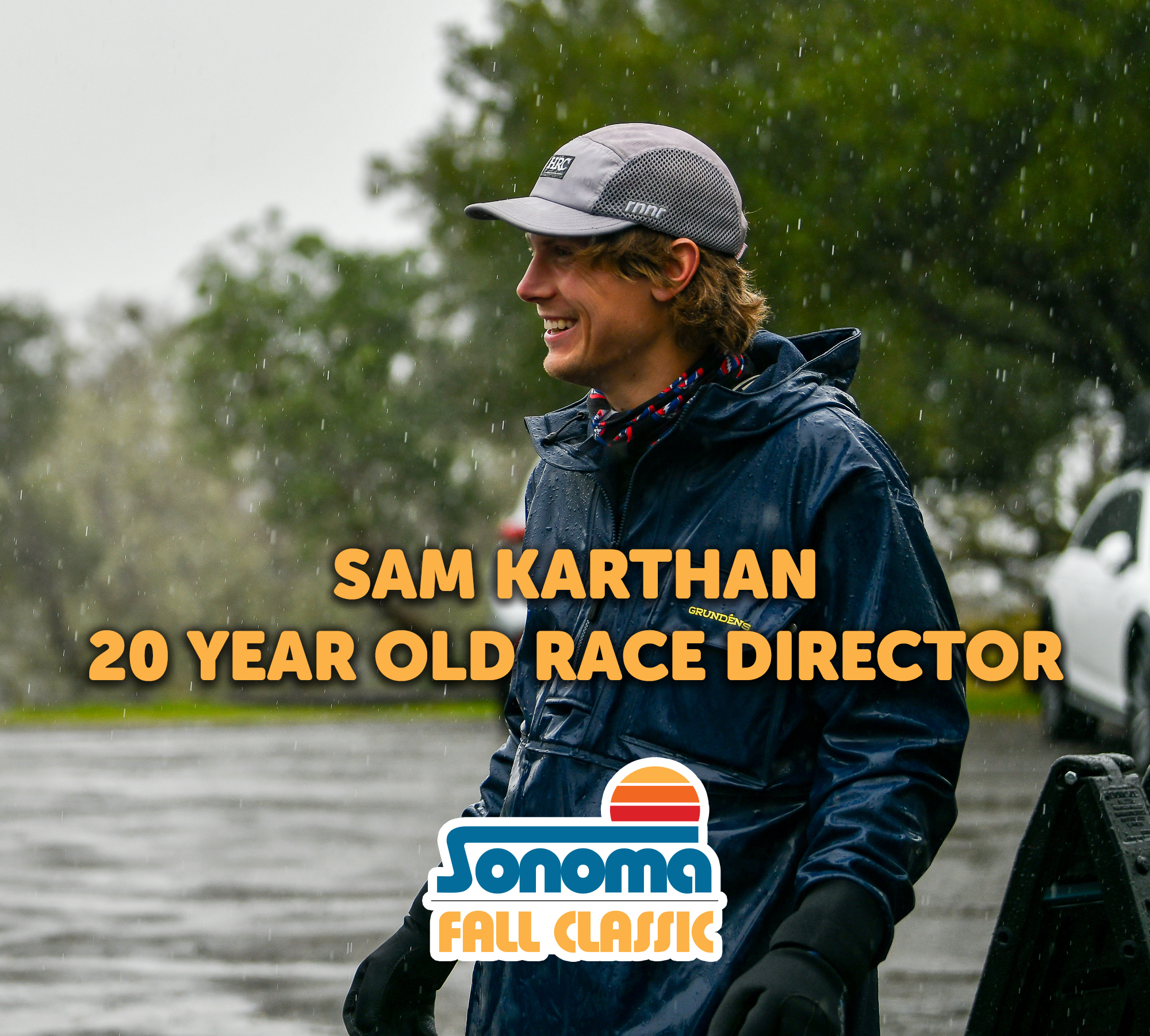
- At the Sonoma Fall Classic, the involvement of Sam—a 27-year-old dirt-bag trail runner—has helped reshape the race to appeal to younger runners almost overnight.
Authentic, purpose-driven charity races can evolve into trail festivals: multi-distance weekends with relays, shared experiences, and inclusive spaces that reflect the values of the next generation—social good, connection, and shareable moments.
2. Keep Trail Running Affordable
Trail running should never resemble triathlon culture, where high costs become a barrier to entry.
Young runners are budget-conscious, and inclusive trail races must reflect that reality by offering:
- Lower-cost entry fees
- Scholarships and discounts
- Shorter, more affordable race options
- Volunteer-to-race programs
Organizations like Aravaipa Running already show how volunteering can create access to ultras for young athletes who otherwise couldn’t afford them. Keeping costs down isn’t just about pricing—it’s about preserving diversity and representation in the sport.
We all saw it: Burrito League was an ingenious reinvention of the Chipotle Challenge, sparked by Aravaipa’s Jamil Coury and the young Connor Dyer. Alongside a dedicated crew of twenty-somethings, Jamil and Connor launched a movement that spread like wildfire. With over 100 leagues opening nationwide, the “no-cost” model became a total game-changer, fostering a deep sense of community everywhere it took root.
3. Support the Dirt-Bag Lifestyle: Lodging, Food, and Vibes
Free or inexpensive lodging can be a game-changer.
Offering free camping immediately makes races more accessible and creates the trail-festival atmosphere many young runners crave. Add to that:
- Free shake-out runs
- Simple food options at the start and finish
- Casual post-race celebrations
These details matter deeply to runners who are value-driven and experience-focused. They want to show up, run, connect, and celebrate—without luxury price tags.
4. Shorter Distances as Gateways to Ultras
Not every runner jumps straight into a 50- or 100-mile race.
Offering more shorter trail events—10Ks, half marathons, trail marathons—allows new trail runners to participate, learn, and imagine themselves going longer one day. Increasingly, races are designed so shorter distances feed into longer events, creating a clear progression.
Interestingly, the trend is already visible:
- Younger runners often dominate shorter trail races with speed and intensity.
- Older, more experienced athletes continue to shine in 100-mile and longer formats.
Both can coexist—and thrive—when races are intentionally designed for all stages of the trail journey.
5. Build Events for a Digital-First, Values-Driven Generation
Gen Z run-club runners are:
- Digital-first
- Wellness-focused
- Socially and environmentally conscious
They want trail races that feel authentic, convenient, and aligned with their values. That means:
- Transparent storytelling: Why does this race exist?
- Sustainable practices and honest communication
- Customizable, healthy food and experience options
- Strong online communities before and after race day
Events like those hosted by Aravaipa show what’s possible:
- Live media and streaming
- Active social engagement
- Online race communities
- Relays that allow four runners to share a 50- or 100-mile experience for under $100 per person
Relays, in particular, are a natural bridge for run clubs—allowing road runners to explore trails together, reduce costs, and create shared memories.
6. Run Clubs, Relays, and the Future of Trail Racing
Run clubs are hungry for new experiences. Trail relays offer exactly that: adventure, teamwork, accessibility, and fun. Platforms like Instagram, Strava, YouTube, and TikTok amplify these moments, making races more visible and aspirational.
For this generation, the goal isn’t just finishing—it’s belonging, sharing, and showing up to something meaningful.
The Path Forward
Ensuring trail races are inclusive for young runners doesn’t mean abandoning tradition. It means expanding it.
By embracing representation, affordability, accessibility, shorter distances, digital engagement, and community-driven formats like relays, trail races can become gateways—not gatekeepers—for the next generation.
The future of trail running is already here. The question is whether our events are ready to meet it on the trail.
About Aravaipa Running
Aravaipa Running is an event management company based in Phoenix, Arizona, and is recognized as North America’s largest and most respected race management and media organization. A premier U.S. race production company, Aravaipa is known for its proven excellence, innovative race management, athlete-first experience, and high-energy, entertaining events.
About Healdsburg Running Company (HRC)
Healdsburg Running Company (HRC) is a trail running specialty retailer based in Sonoma County, California. Founded by Skip Brand, HRC acts as the local host and community partner for the Sonoma Fall Classic, serving as a pillar for the local running community and preserving the authentic, grassroots feel of the Lake Sonoma Race Series.
Company Info
Healdsburg Running Company
CONTACT INFO
Lake Sonoma Race Series
650-274-9433
skip@skipbrand.com
healdsburgrunningcompany.com
Follow us on